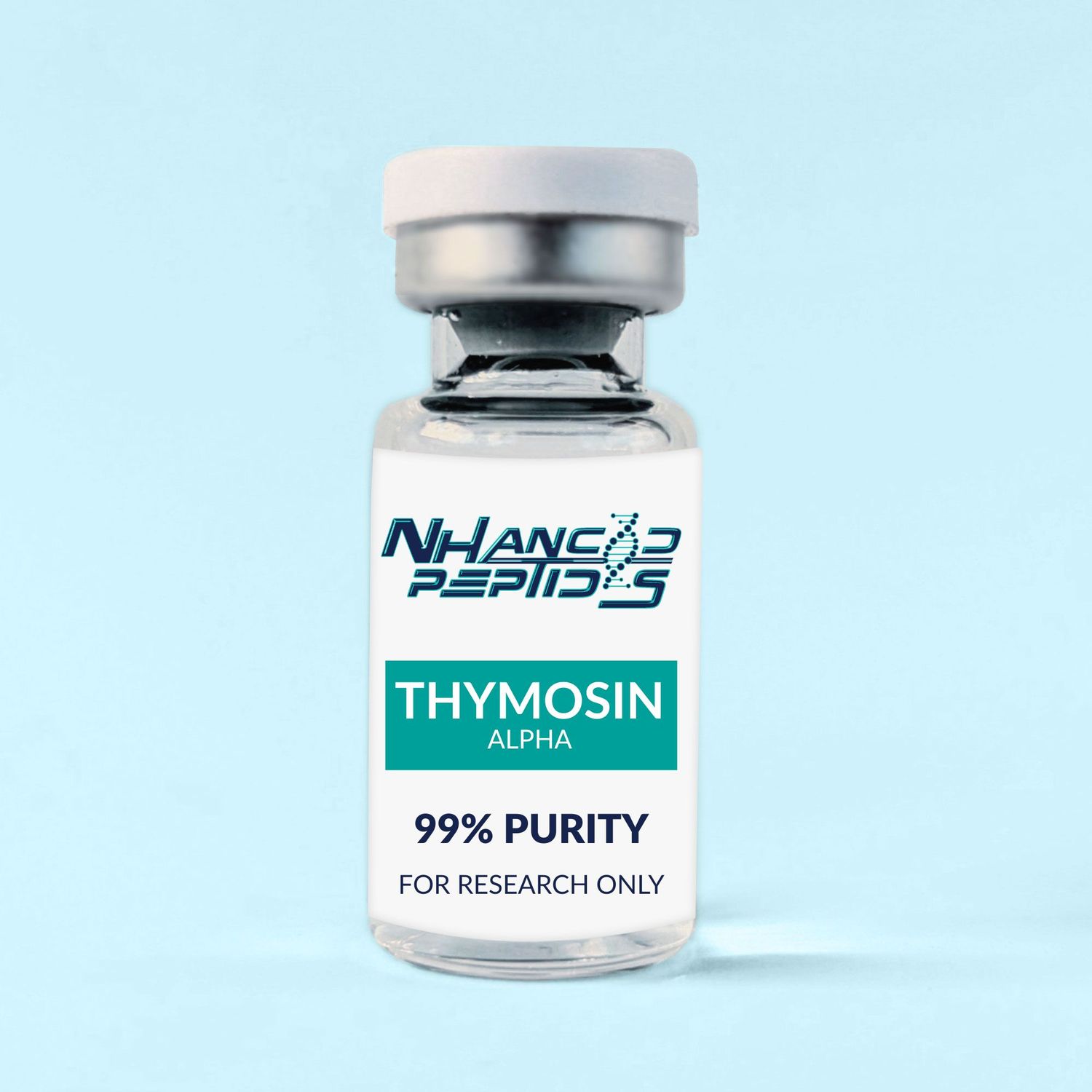
Thymosin Alfa-1 10MG
$70.00
In stock
Product Details
Thymosin Alpha-1 (TA1 or Tα1) is a naturally occurring peptide first identified in 1972 and studied for its potential involvement in conditions such as cystic fibrosis, infectious diseases (including tuberculosis and cytomegalovirus), respiratory illnesses, chronic hepatitis, and cancer. When produced synthetically, it is known as Thymalfasin. Early research primarily focused on its possible role in modulating immune function. It is hypothesized that Thymosin Alpha-1 may increase the expression of Major Histocompatibility Complex (MHC) class I molecules and stimulate cytokine production—both essential elements of immune response. It may also enhance the activity of natural killer cells, which play a role in targeting virus-infected and malignant cells.
Further research suggests that Thymosin Alpha-1 could promote the expression of key surface markers on T cells, supporting their identification and function within the immune system. It is also thought to increase the presence of high-affinity interleukin-2 receptors, potentially driving the activation and proliferation of T lymphocytes. Additional hypotheses propose that it may influence both helper and cytotoxic T-cell populations, support the maturation of thymocytes and peripheral lymphocytes, increase natural killer cell numbers, and encourage cytokine-mediated inflammatory responses. Ongoing studies also explore its potential effects on macrophage activity and the regulation of alpha thrombin, indicating a broad range of possible immune-related functions.
Thymosin Alfa-1 10MG