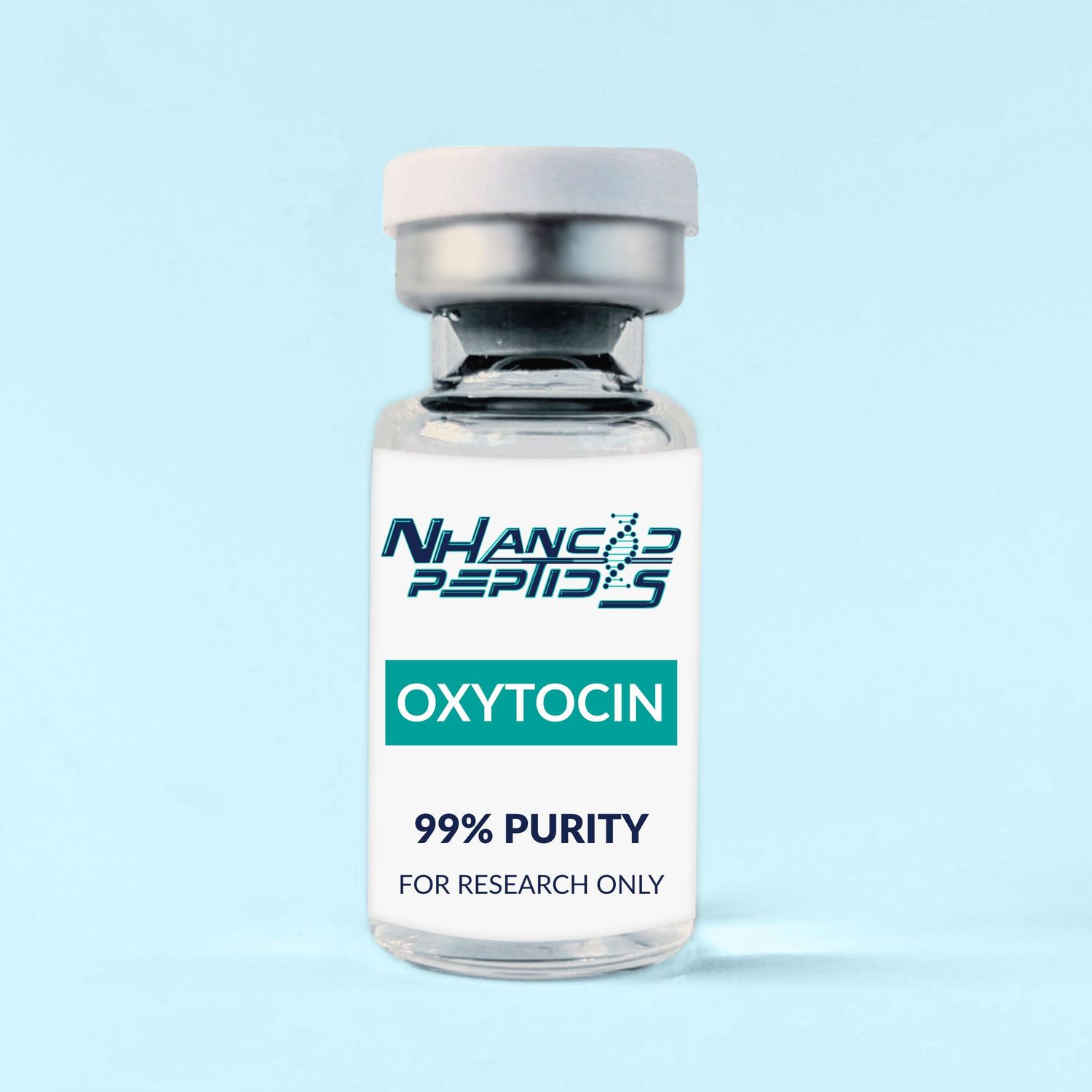
Oxytocin 2mg
$30.00
In stock
Product Details
Oxytocin (OT) is a peptide hormone composed of nine amino acids, primarily produced in specialized neurons within the hypothalamus—particularly the magnocellular neurons of the supraoptic and paraventricular nuclei. From there, it is transported to and released by the posterior pituitary gland. In addition to its central production, oxytocin is also synthesized in peripheral tissues, including the ovaries and testes.
In circulation, oxytocin plays a critical role in reproductive physiology, especially during childbirth and lactation. Within the pregnant uterus, both oxytocin and its receptors are essential for regulating uterine contractions, making them key drivers in the initiation and progression of labor.
Beyond its reproductive functions, oxytocin is widely recognized for its influence on social and behavioral processes. It is involved in shaping social bonding, sexual behavior, social recognition, trust, stress modulation, and even aggression. Because of this broad range of effects, oxytocin is often referred to as a key neurochemical in social and emotional regulation.
Oxytocin 2mg